
Acne Scars vs. Dark Spots: What You're Actually Dealing With — and How to Treat…
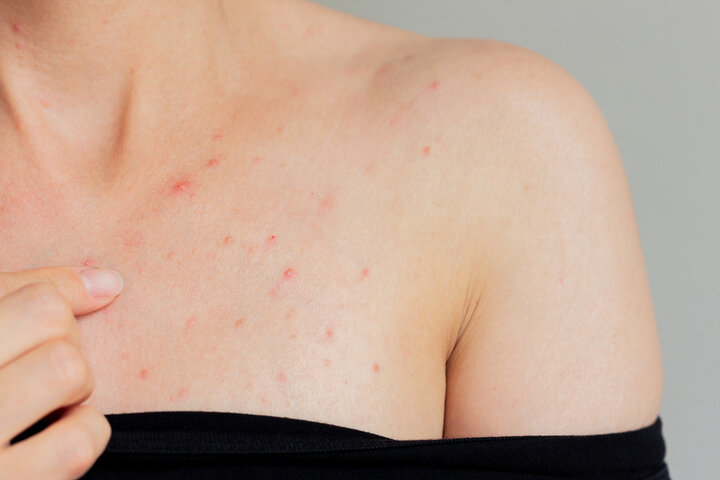
Back Acne & Chest Acne
Back Acne and Chest Acne Are Not Face Acne — Here’s Why That Matters
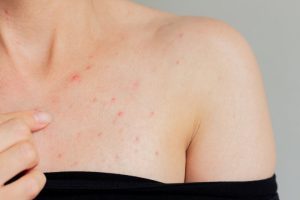
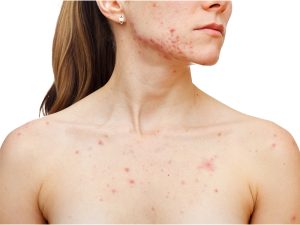
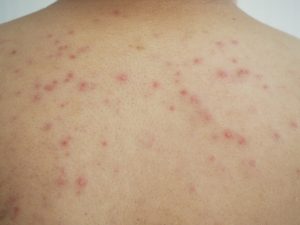
Face acne gets all the attention. Every skincare brand, every influencer, every dermatologist-approved routine is built around the face. Meanwhile, a significant portion of acne sufferers are dealing with breakouts on their back, chest, and shoulders — and getting almost no useful guidance about it.
Back acne and chest acne are not just face acne that migrated south. They behave differently, have different triggers, and require approaches tailored to skin that is thicker, more sebaceous, harder to reach, and usually covered by clothing for most of the day. Treating body acne with the same logic as facial acne gets mediocre results at best.
At From Europe With Love in Palo Alto, we offer dedicated back acne and chest acne treatments — not a modified face facial applied to your back, but targeted, appropriate treatment for body skin. Here’s what you actually need to understand.
Why Body Acne Is Different
The skin on your back and chest is not identical to the skin on your face. The differences matter clinically:
More and larger sebaceous glands. The back and chest have a high density of sebaceous glands — comparable to the face — which is why these areas are prone to acne at all. But the glands are larger, producing more sebum per pore, and the follicles are bigger. This creates an environment where blockages run deeper and are harder to clear with surface-level treatments.
Thicker skin. The stratum corneum (outer skin layer) on the back and chest is significantly thicker than facial skin. Ingredients that work well at facial concentrations may need to be used differently on body skin. Penetration is harder, which is one of the reasons at-home body wash routines alone rarely produce dramatic improvement.
Occlusion from clothing. Your face is exposed to air most of the day. Your back and chest are usually covered — and that covering creates a warm, humid microenvironment that traps sweat, bacteria, and dead skin cells against the skin. Friction from fabric (particularly rough or tight clothing) also causes a specific type of breakout called acne mechanica, which layers on top of traditional hormonal or bacterial acne and has its own treatment considerations.
Harder to treat yourself. You can see your face. You cannot see your back. Applying treatments consistently and evenly to an area you can’t directly observe — especially if you live alone — is genuinely difficult. This is one of the most underrated reasons back acne persists despite people trying to address it.
The Most Common Causes of Back and Chest Acne
Understanding what’s driving your specific case matters, because the triggers differ between back and chest acne, and between individuals.
Excess sebum production is the baseline driver — the same hormonal and genetic factors that cause face acne apply to the back and chest. Androgens stimulate sebaceous glands throughout the body, not just on the face.
Sweat and friction (acne mechanica). This is especially relevant for Bay Area clients who exercise regularly. Sweat sitting against skin under tight athletic wear, backpack straps, bra straps, or sports equipment creates friction and occlusion that triggers breakouts even in people with generally clear skin. The fix involves showering immediately after exercise, wearing moisture-wicking fabrics, and being strategic about when and how long you’re in tight clothing.
Hair products. Shampoo, conditioner, and styling products that run down your back during a shower deposit pore-clogging ingredients — silicones, heavy oils, certain conditioning agents — directly onto acne-prone back skin. This is one of the most common and most overlooked back acne triggers, and the fix is as simple as rinsing hair products off your back thoroughly or washing your back after rinsing your hair.
Diet and hormones. The same dietary and hormonal triggers that drive face acne apply to body acne — high-glycemic eating, dairy, hormonal fluctuations, chronic stress-related cortisol elevation. If you’re breaking out on both your face and your back, there’s almost certainly a systemic (hormonal or dietary) driver at play alongside any local skin factors.
Laundry products. Fragranced detergents and fabric softeners are surprisingly common back and chest acne triggers, particularly for people with sensitive or reactive skin. If you’ve overhauled everything else and still can’t clear your back, switching to a fragrance-free, hypoallergenic detergent is worth a trial.
Post-workout protocol failures. Sitting in sweaty workout clothes, using rough loofahs that spread bacteria rather than remove it, or skipping the shower after evening workouts and going to bed — all reliable back acne accelerators.
Why This Is Hard to Clear at Home
Here’s the honest reality: back and chest acne are among the most difficult acne presentations to effectively self-treat, for a collection of reasons that compound each other.
Most body washes with acne-fighting ingredients (salicylic acid, benzoyl peroxide) have a contact time of approximately 30 seconds before they’re rinsed off. That’s not enough for meaningful penetration into thicker body skin. Leave-on treatments work better, but applying them consistently and evenly to your own back is mechanically awkward. And even with perfect application, over-the-counter concentrations are often insufficient for established body acne.
Professional treatment, applied by someone who can see and reach the entire area and use appropriate clinical-grade products, produces results that at-home routines simply can’t match — especially for moderate to severe cases.
How We Treat Back and Chest Acne
Our back and chest acne treatments at From Europe With Love are purpose-built for body skin. They are not face facials applied to a larger surface area. The protocols are adapted for the specific characteristics of body skin — ingredient concentration, contact time, extraction technique, and post-treatment care.
Professional Back and Chest Treatments. Our dedicated body acne treatments include deep cleansing, professional extractions where appropriate, targeted chemical exfoliation, and anti-bacterial and anti-inflammatory treatment application. The back, in particular, benefits enormously from professional extractions — the deeply congested comedones that form in large back follicles are nearly impossible to address at home and build into larger lesions when left alone.
Chemical Peels for Body Skin. Our chemical peels can be adapted for back and chest skin, using appropriate acid formulations and concentrations to resurface, unclog, and reduce inflammation across larger treatment areas. For clients with significant post-acne hyperpigmentation and textural changes on the back or chest — the scarring that tank tops and swimsuits bring into the spotlight every summer — body peels produce meaningful improvement across a series of treatments.
Clear Skin Bootcamp. For clients with persistent, moderate-to-severe body acne, our Clear Skin Bootcamp addresses body acne systematically — with regular professional treatments, a customized home care protocol, and the lifestyle and product guidance that prevents the triggers from constantly resetting your progress.
The At-Home Protocol That Actually Helps
Professional treatments create the foundation. Your daily habits either support or undermine them. For body acne specifically:
Shower immediately after sweating. Every hour you spend in post-workout clothes is an hour of sweat, bacteria, and friction working against your skin. This is non-negotiable if exercise-related body acne is a factor.
Rinse your back after shampooing and conditioning. Make this a habit. Hair product runoff is responsible for far more back acne than people realize.
Use a leave-on body treatment. A salicylic acid or benzoyl peroxide lotion or spray applied after showering and left on the skin is dramatically more effective than a 30-second body wash. Apply it, let it absorb, then moisturize if needed.
Wear loose, breathable fabrics when possible. Especially for sleeping — tight clothing against breakout-prone skin for 8 hours overnight is counterproductive. Cotton or moisture-wicking materials that minimize friction and allow airflow make a real difference.
Switch your laundry detergent. Fragrance-free and dye-free. It costs the same and eliminates a variable that affects more people than expect.
Non-comedogenic SPF on the chest. If chest acne has left hyperpigmentation — and it almost always does — SPF on any exposed chest skin every day is essential to prevent UV from deepening and extending those marks.
The Summer Urgency
We hear it every year starting around April: clients who’ve been ignoring their back or chest acne all winter suddenly realize swimsuit season is approaching. We’ll be straight with you — a single treatment two weeks before your beach trip is not going to clear six months of congestion. Body acne treatment is a process, not an event.
The clients who show up in February or March with a clear summer goal give us the runway to actually deliver it. If you’re reading this and summer feels close: now is the right time to start.
Book Your Back or Chest Acne Treatment in Palo Alto
From Europe With Love is located at 3483 El Camino Real, 2nd floor, Palo Alto, CA 94306. We see clients from Palo Alto, Menlo Park, Mountain View, Los Altos, Sunnyvale, Cupertino, Redwood City, and across the Peninsula.
Hours: Monday – Tuesday: 3 PM – 7 PM Wednesday – Friday: 11 AM – 7 PM Saturday: 9 AM – 2 PM Sunday: Closed
Book your appointment online → Call: 650-691-5885 Email: [email protected]
Your back deserves the same attention your face gets. Let’s make it happen.
From Europe With Love is a premier skin care clinic in Palo Alto, CA, offering specialized back acne, chest acne, and face acne treatments, corrective facials, chemical peels, and personalized skincare for teens and adults. Founded by Marina, whose European medical background and eight years of Bay Area clinical experience inform every treatment we provide.
Related Posts