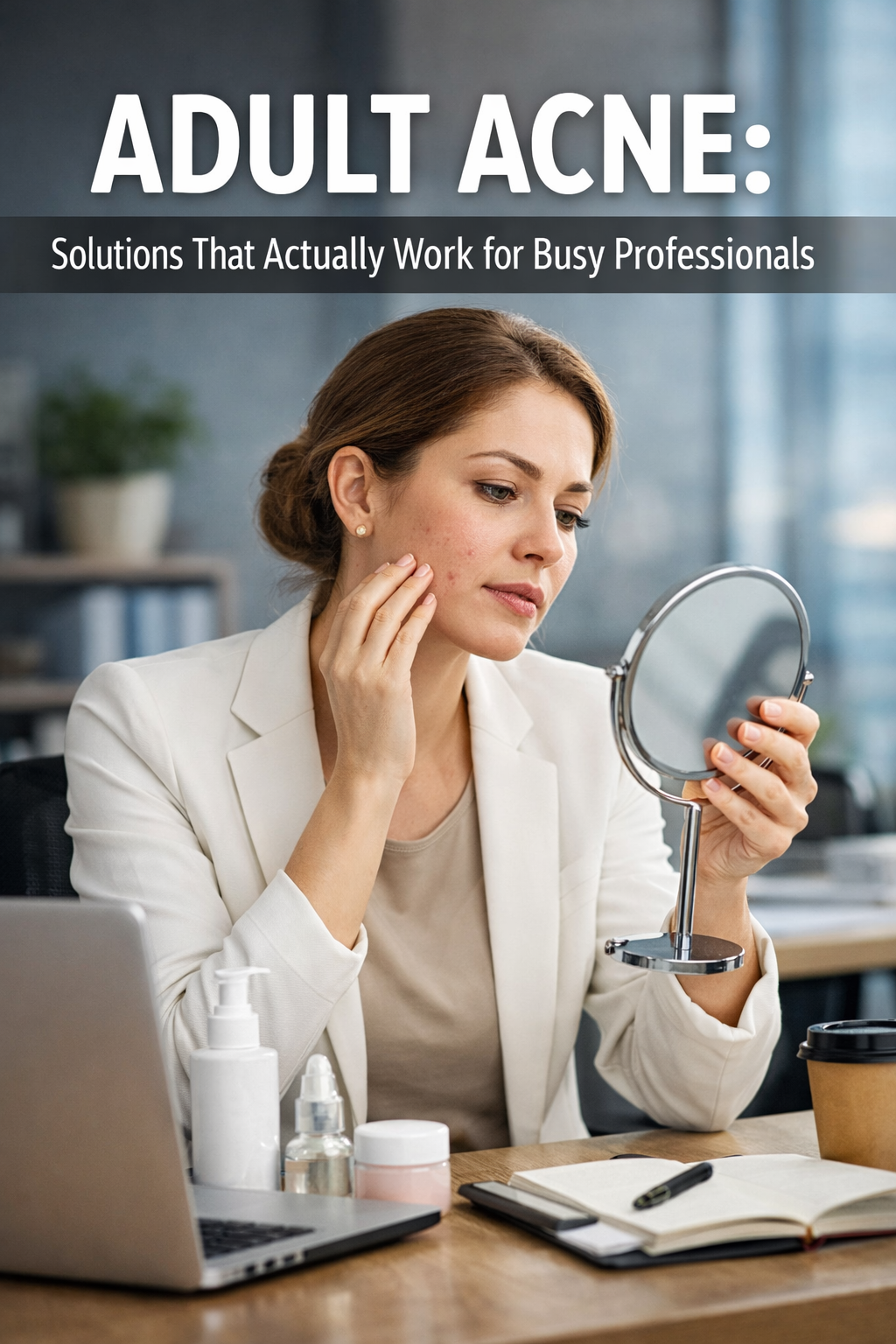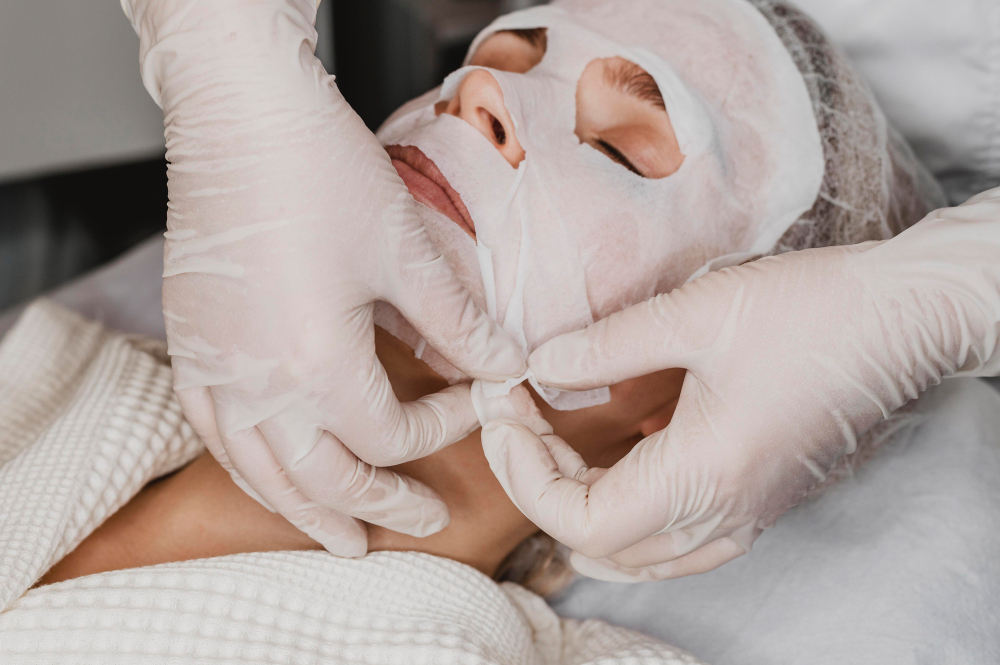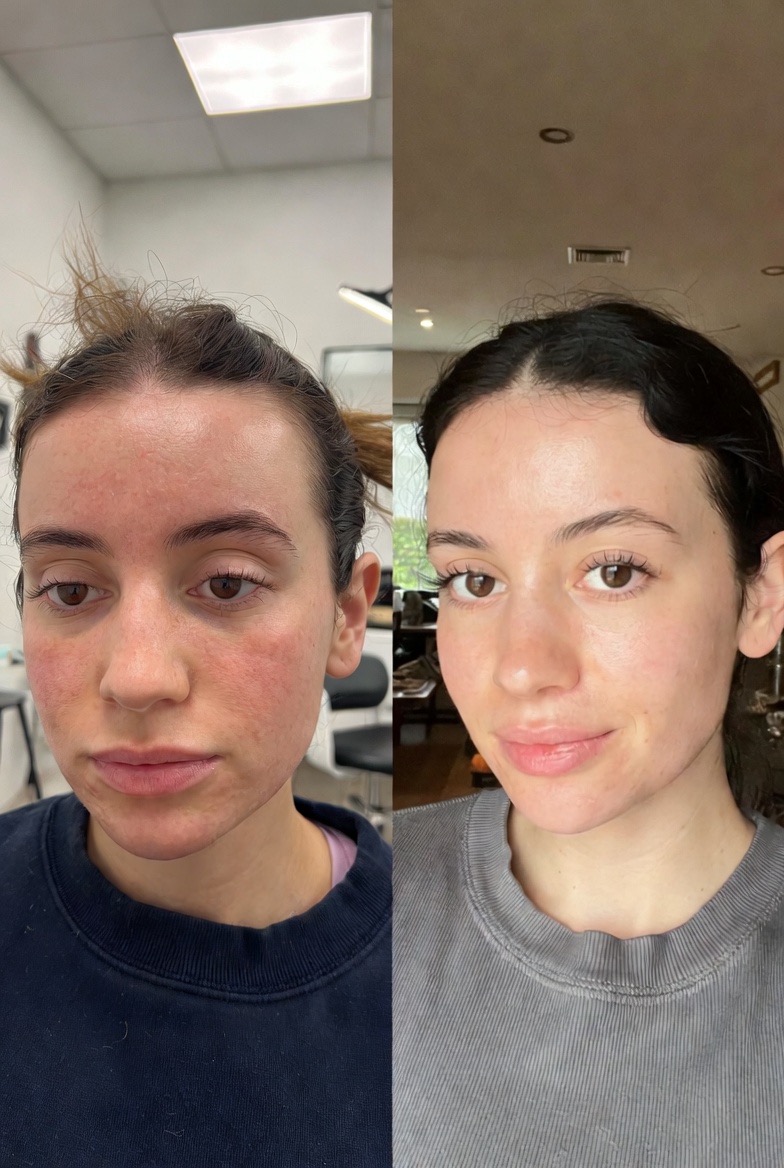

Adult Acne: Solutions That Actually Work for Busy Professionals Acne doesn’t magically disappear after high…

How to Choose the Best Cleanser for Acne-Prone Skin (Without Damaging Your Barrier)
If you want clearer skin with fewer products, start with the least glamorous step: cleansing.
A cleanser won’t magically cure acne. But the wrong cleanser can absolutely sabotage your routine. It can worsen breakouts, trigger redness, disrupt your barrier, and make every serum you use work harder for no reason.
If you’re acne-prone, oily, sensitive, or dealing with clogged pores, here’s how to choose a cleanser that supports your skin instead of fighting it.
Why Choosing the Right Cleanser Matters for Acne-Prone Skin
Cleansing is the foundation of your routine. If that foundation is off, everything layered on top becomes less effective.
When a cleanser is too harsh, you may experience:
- Tightness and stinging
- Flaking around the nose and mouth
- Increased oil production
- Redness that lingers
- Breakouts that seem “random”
In acne consultations at From Europe With Love in Palo Alto, we regularly see clients overusing exfoliating cleansers daily. The result is often more inflammation, not clearer skin.
On the other hand, if your cleanser is too weak or used incorrectly, you may notice:
- Clogged pores from leftover sunscreen
- Dull, rough texture
- Acne treatments that don’t penetrate properly
The goal is simple: remove what needs to go while keeping your skin barrier intact.
What to Look for in a Cleanser for Oily, Acne-Prone, or Sensitive Skin
1. Gentle Cleansing Agents
Look for formulas that rinse clean but don’t leave your skin feeling paper-dry. Overly aggressive surfactants can strip your barrier and trigger rebound oil production.
A good non-stripping cleanser should feel:
- Clean, not tight
- Comfortable, not squeaky
- Balanced, not greasy
If your skin feels “squeaky clean,” that’s usually your barrier waving a white flag.
2. Barrier-Friendly pH
Healthy skin prefers slightly acidic formulas. While you don’t need to obsess over exact numbers, brands that formulate with barrier health in mind tend to create better long-term results.
Barrier repair starts at the cleansing step.
3. Acne-Supporting Ingredients (Optional but Helpful)
Because cleansers are rinse-off products, they won’t do the heavy lifting. But certain ingredients can support clearer pores without acting like a full-on peel.
Common options include:
- Mandelic acid – often gentler, helpful for congestion and uneven tone
- Salicylic acid – oil-soluble, helpful for blackheads and clogged pores
If you want a minimalist routine, a mandelic-based cleanser can serve as a low-drama anchor product while your leave-on treatments do the deeper work.
Best Types of Cleansers for Acne and Different Skin Types
Gel Cleansers
Best for:
- Oily or combination skin
- Congestion and clogged pores
Watch out for:
- Over-foaming formulas that leave you tight
Cream or Lotion Cleansers
Best for:
- Dry or sensitive skin
- Barrier repair seasons (winter, post-treatment, after peels or microneedling)
Watch out for:
- Heavy residue if you’re extremely acne-prone (depends on formulation)
Exfoliating Cleansers
Best for:
- People who want mild resurfacing without adding another serum
Watch out for:
- Daily overuse
Daily exfoliating cleansing is a fast track to irritation and delayed acne healing.
How to Cleanse Properly (Where Results Actually Hide)
Technique matters more than people think.
Step 1: Cleanse Long Enough
Most people wash their face for five seconds. Aim for 20–40 seconds. Give the cleanser time to break down oil and sunscreen.
Step 2: Use Lukewarm Water
Hot water can worsen dryness and redness, especially in acne-prone or sensitive skin.
Step 3: Double Cleanse When Necessary
If you wear sunscreen or makeup:
- First cleanse: remove sunscreen and makeup
- Second cleanse: actually clean the skin
If you don’t wear heavy products and aren’t oily, you may not need to double cleanse.
Signs Your Cleanser Is Damaging Your Skin Barrier
If you notice:
- Tightness immediately after washing
- Stinging when applying basic moisturizer
- Flaking around the mouth or nose
- Redness that doesn’t settle
- Breakouts that worsen when you “try harder”
Your cleanser may be too aggressive, or you may be cleansing too frequently.
Clear skin is not created by scrubbing harder.
Cleanser FAQ for Acne-Prone Skin
Should I cleanse in the morning if I have acne?
If you’re oily, acne-prone, or used heavier products overnight, yes.
If you’re dry or sensitive, you may only need a gentle cleanse or even a light rinse.
Can a cleanser alone treat acne?
Not usually. Cleansers are rinse-off products and don’t stay on the skin long enough to fully treat acne. Think of cleansing as preparation. It makes your leave-on treatments work better.
Is “squeaky clean” good?
No. That feeling often indicates barrier disruption, which can worsen acne long term.
Want a Simpler Acne Routine That Actually Works?
Start with a cleanser that respects your barrier. Then build around one hero treatment at a time.
If you’re in Palo Alto or the Bay Area and struggling with acne, we can help you choose the right cleanser and build a minimal, clinically focused routine that fits your skin.
Not sure which cleanser fits your skin type? Book a consultation at From Europe With Love and we’ll create a personalized plan based on your oil production, sensitivity level, and breakouts.
Clear skin doesn’t require 12 steps. It requires the right foundation.
Related Posts